Smart Home Starter Guide: Best Devices to Begin Your Setup in 2026
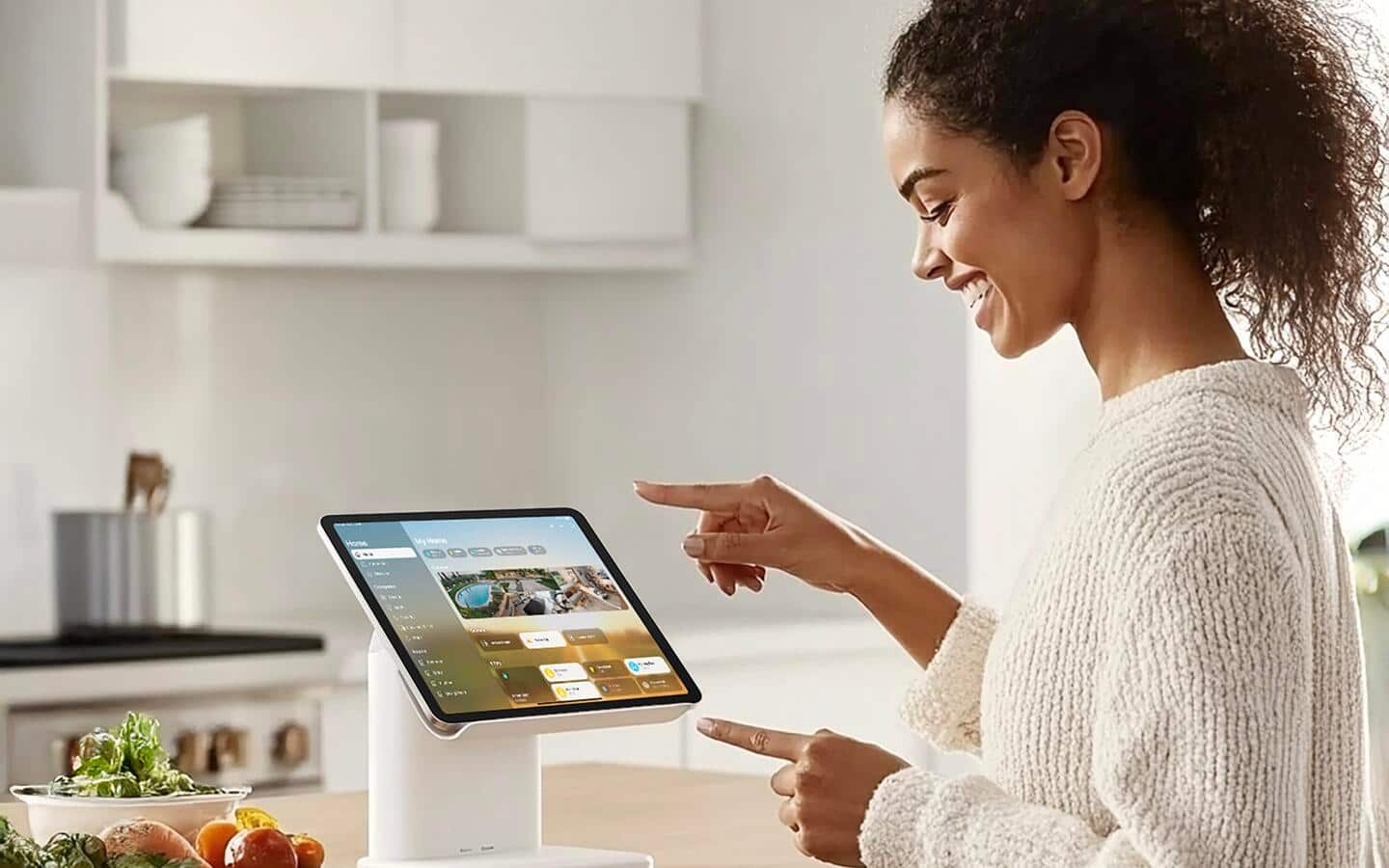
Building a smart home can feel overwhelming at first — there are dozens of device categories, multiple competing ecosystems, and a flood of acronyms like Matter, Thread, and Zigbee. But getting started doesn't have to be complicated or expensive. This smart home starter guide walks you through the best devices to begin your setup in 2026, helping you build a connected home that's genuinely useful from day one.
Why 2026 Is a Great Time to Start Your Smart Home
The smart home landscape has matured considerably. The Matter protocol — a universal open standard backed by Amazon, Apple, Google, and Samsung — has made it far easier for devices from different brands to work together seamlessly. Matter 1.5, released in late 2025, now supports cameras, video doorbells, and a wide range of appliances. This means you're no longer locked into a single brand's ecosystem, and the devices you buy today are much more likely to remain compatible as your setup grows.
Prices have also dropped significantly. A functional smart home foundation — smart speaker, smart bulbs, and smart plugs — can be assembled for around $150. That's a low barrier to entry for technology that genuinely improves daily life.
Step One: Choose Your Ecosystem
Before buying any devices, the most important decision is choosing a smart home ecosystem. This determines which voice assistant you'll use and which app controls everything. The three main options are:
- Amazon Alexa: The most beginner-friendly choice, with the widest device compatibility and the lowest entry cost. The Echo Dot is frequently on sale for under $25, making it an easy starting point. Alexa's "Skills" library is extensive, and it works with virtually every major smart home brand.
- Google Home: Excellent natural language understanding and tight integration with Google services like Calendar, Maps, and Gmail. The Nest Mini is an affordable entry point, and the Nest Hub adds a screen for visual feedback. A strong choice if you're already deep in the Google ecosystem.
- Apple HomeKit: Known for strong privacy protections and reliable local processing. It integrates beautifully with iPhones, iPads, and Macs. The HomePod mini is the entry-level hub. Device selection is more limited than Alexa or Google, but quality tends to be high.
Pick one and stick with it initially. You can always expand to multi-ecosystem control later using Matter's multi-admin feature, which lets a single device be controlled by multiple platforms simultaneously.
The Best Smart Home Starter Devices for Beginners
Once you've chosen your ecosystem, these are the device categories that deliver the most immediate value for new smart home users:
Smart Speakers and Displays
Your smart speaker is the command center of your home. It handles voice commands, plays music, answers questions, and controls all your other connected devices. For most beginners, an Echo Dot (Alexa) or Nest Mini (Google) is the perfect starting point — both are compact, affordable, and capable. If you want a screen for visual feedback like weather, timers, and video calls, consider stepping up to an Echo Show or Google Nest Hub.
Smart Bulbs and Lighting
Smart lighting is often the most immediately satisfying upgrade. You can control lights by voice, set schedules, dim them for movie nights, or have them turn on automatically when you arrive home. For beginners, Wi-Fi direct bulbs are the easiest option — they connect directly to your router without needing a separate hub. Brands like TP-Link Tapo, Govee, and Kasa offer reliable, affordable options with app and voice control. If you want to invest in a premium system with richer color options and rock-solid reliability, Philips Hue remains the gold standard, though it requires a separate bridge.
Look for bulbs that carry the Matter certification — this ensures they'll work across ecosystems and remain compatible as the standard evolves.
Smart Plugs
Smart plugs are arguably the highest-value smart home purchase for beginners. They turn any standard appliance — a lamp, a coffee maker, a fan, a holiday light string — into a smart device you can control by voice or app. They're inexpensive (often $10–$20 each), require zero installation, and open up a world of automation possibilities. Models with built-in energy monitoring, like the TP-Link Tapo P110M, let you track how much power your appliances are actually using, which can lead to real savings on your electricity bill.
Smart Thermostats
A smart thermostat is one of the few smart home devices that can genuinely pay for itself. By learning your schedule and adjusting heating and cooling automatically, a good smart thermostat can reduce energy bills by 10–20%. The Amazon Smart Thermostat (made by Honeywell) is a budget-friendly entry point at around $60. The Google Nest Learning Thermostat is a premium option that programs itself based on your habits. Before buying, check whether your HVAC system has a C-wire — most modern systems do, but some older setups may need an adapter.
Expanding Your Setup: Security and Beyond
Once you have the basics in place, these additions can significantly enhance your smart home experience:
- Video Doorbells: See and speak with visitors from anywhere in the world. The Ring Video Doorbell and Google Nest Doorbell are popular choices with easy setup and solid app experiences. Look for models with local storage options to avoid ongoing subscription fees.
- Smart Security Cameras: Indoor and outdoor cameras with AI-powered motion detection, night vision, and two-way audio add a meaningful layer of security. The Blink Mini is a budget-friendly indoor option; the Aqara Camera Hub G5 Pro doubles as a hub for other smart devices.
- Smart Locks: Keyless entry via fingerprint, keypad, app, or voice command is both convenient and secure. The August WiFi Smart Lock installs over your existing deadbolt without replacing the exterior hardware — a great option for renters.
- Motion and Door Sensors: These small, inexpensive sensors unlock powerful automations. A door sensor can trigger your lights to turn on when you arrive home; a motion sensor can automatically illuminate hallways at night.
Understanding Matter and Thread: Future-Proofing Your Setup
You'll see the terms Matter and Thread on many new smart home devices. Here's what they mean in plain English:
- Matter is a universal compatibility standard. A Matter-certified device will work with Alexa, Google Home, Apple HomeKit, and Samsung SmartThings — you're not locked into one ecosystem. When shopping, look for the Matter logo on packaging.
- Thread is a low-power mesh networking protocol designed for battery-powered devices like sensors and locks. Thread devices communicate with each other and with your hub through a Thread border router (built into many modern smart speakers and hubs). Thread networks are self-healing — if one device goes offline, traffic automatically reroutes through others.
Prioritizing Matter-certified devices when possible is a smart long-term investment. It gives you flexibility to switch ecosystems or add new platforms without replacing your hardware.
Smart Home Security Best Practices
A connected home is only as secure as its network. Follow these simple steps to keep your smart home safe:
- Use a strong, unique password for your Wi-Fi network and enable WPA3 encryption if your router supports it.
- Consider setting up a separate Wi-Fi network (a guest network or VLAN) specifically for your smart home devices, isolating them from your computers and phones.
- Enable two-factor authentication on your smart home app accounts.
- Keep device firmware updated — manufacturers regularly release security patches.
- Stick to reputable brands that have a track record of providing regular software updates.
How Much Does a Smart Home Cost to Set Up?
The beauty of smart home technology in 2026 is that you can start small and scale at your own pace:
- Starter setup (~$150): Smart speaker + 2–3 smart bulbs + 2 smart plugs. Fully functional voice control and basic automation.
- Intermediate setup (~$400): Add a video doorbell, smart thermostat, and a few more smart switches. Meaningful security and energy savings.
- Full setup (~$700+): Add security cameras, smart lock, motion sensors, and additional lighting zones. A genuinely comprehensive smart home experience.
Watch for sales events like Prime Day and Black Friday — smart home devices are frequently discounted by 30–50% during these periods.
Explore Smart Home Devices at Gadgetoma
Ready to start building your smart home? Gadgetoma offers a wide range of smart home devices — from smart plugs and bulbs to security cameras and voice assistant hubs — all carefully selected for reliability, ease of setup, and ecosystem compatibility. Check out Gadgetoma's smart home collection to find the right devices for your budget and lifestyle. Whether you're taking your first step or expanding an existing setup, Gadgetoma has options to help you build a smarter, more connected home.
Conclusion
Starting a smart home in 2026 is easier, more affordable, and more future-proof than ever before. Begin with the essentials — a smart speaker, a few smart bulbs, and a couple of smart plugs — and build from there as you discover which automations genuinely improve your daily routine. Choose Matter-certified devices where possible, stick to one ecosystem to start, and don't overlook the basics of network security. With a thoughtful approach, you'll have a smart home that's genuinely helpful rather than just a collection of gadgets.